
What Delivery Riders Tell Us About the M7 After 90 Days
We spoke with couriers running long city shifts on the M7. Range, loading, and charging, here is what came up again and again.
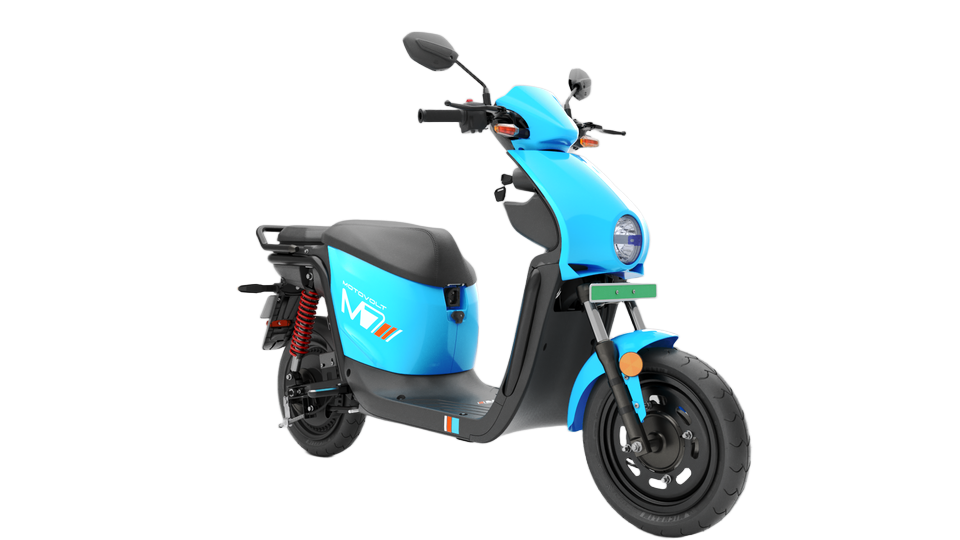
Spec sheets do not tell you how a scooter feels when you have already done forty drops and the lunch rush is starting. So we asked riders who depend on the M7 daily what surprised them — good and bad — after three months on the road.
Most mentioned range recovery from regenerative braking on downhill stretches and frequent stops. It will not double your kilometres, but several riders said it softened the worry on long loops through hilly neighbourhoods.
Payload came up constantly. Boxes mounted properly within rated limits kept handling predictable; overloaded rear racks made slow-speed turns feel twitchy in traffic.
Charging split between home and a hub socket worked better than waiting for one full charge mid-day. A ninety-minute top-up during a break often mattered more than chasing zero to hundred.
Service accessibility ranked as high as purchase price. Riders who knew where to get tyres and brake pads locally stayed on the road; those who could not faced lost income fast.
“For delivery work, uptime beats top speed every single week.”
Quick tips
- Mount cargo low and centred on the rack.
- Log daily km to learn your real range with load.
- Keep dealer service number saved before you need it.
- Rotate tyres on schedule — delivery wear is uneven.
Comments
0 commentsNo comments yet. Start the conversation below.
Leave a comment