
Why Small Shops in North Kerala Choose Electric Cycles
Electric cycles are not only for students. Traders, tailors, and home businesses in Kozhikode use HUM and KIVO for cheap daily runs without licence paperwork.
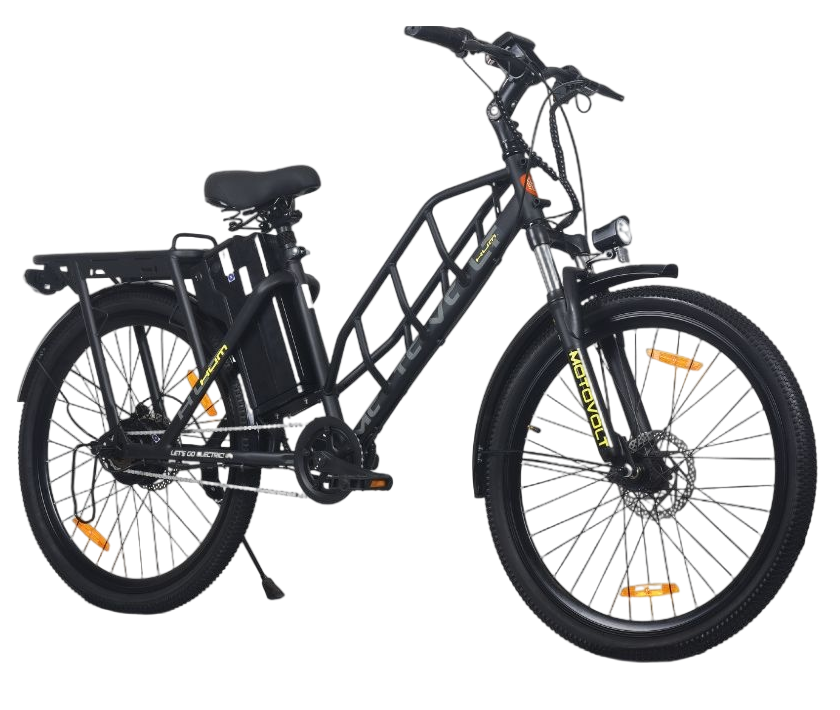
Bottom line for shopkeepers in North Kerala: if your week is short loops with stock, tiffin boxes, or grocery bags, an electric cycle often beats a petrol scooter on cost and parking. HUM carries the load. KIVO suits lighter personal hops. Test both with a real Tuesday bag before you decide.
Key takeaway Small shops in North Kerala are not buying electric cycles as a weekend hobby. Tailors near SM Street, tiffin counters off Wayanad Road, and home bakers in Malappuram side lanes use HUM and KIVO for stock runs that would burn petrol on a scooter. No licence paperwork, cheap charging, and parking in a crowded lane explain most of the switch.
Who is this guide for?
This guide is for small traders, tea counters, garment units, hardware shops, and home businesses from Kozhikode to Kannur. If your week is short loops with bags, not highway delivery, you are the audience. Students get the headlines, but the quiet buyers are often the uncle running a tailoring unit or the auntie who bakes and delivers on order.
Why are shop owners in Kozhikode switching to electric cycles?
When people say electric cycle, some still picture a leisure ride along the beach. Around Kozhikode and nearby towns, the reality is a plastic bag of buttons, a tiffin stack, a tool pouch, and a grocery run before the lunch rush. The trip is rarely more than five or eight kilometres. It just happens four times a day.
Petrol math is what closes the sale. Write down what you spend on fuel for one month on that loop. Compare it to home charging. Most shop owners we meet at Malaparamba Junction are surprised by the gap, not because electric is free, but because the loop is so short that petrol feels wasteful.
Parking matters too. A car near the market is a headache. A big scooter in a lane outside a textile shop is not much better. A cycle slips into a corner where a car horn would start an argument.
HUM or KIVO for shop work?
HUM is the cargo tool. Rated up to 120 kg* payload, trellis frame, built for loads that would make a light commuter cycle feel nervous on a turn. Tailors carrying sample bundles and grocers with two heavy bags lean HUM.
KIVO and KIVO Easy suit lighter daily trips. The shop owner who rides personally, maybe to the bank and back, often prefers the slimmer feel. First time buyers nervous about controls usually like KIVO Easy after one lap in the showroom.
| Your week looks like… | Better fit |
|---|---|
| Garment bundles, groceries, tool kits | HUM |
| Light errands, bank runs, short hops | KIVO |
| First e-cycle, simple controls | KIVO Easy |
| All day heavy delivery income | Electric scooter (see HUM delivery guide) |
Do you need a licence for an electric cycle in Kerala?
For Motovolt HUM, KIVO, and KIVO Easy in the low speed class, licence and registration are typically not required. That is a real reason older shop owners choose a cycle over a registered scooter. Less RTO paperwork, less annual renewal stress.
Rules can shift, so confirm on the day you buy. A helmet is still non negotiable, especially in market traffic where everyone is looking at the price board, not the mirror.
What does running cost look like for a shop loop?
Running cost stays low. You are not filling petrol every few days for a five kilometre loop. Overnight charging at the shop or home socket covers most routines we hear about. Service is tyres, brakes, and checking the battery contact, not carburettor drama.
Use eco mode on flat stretches. Save sport mode for a short climb, not the whole route. That habit alone stretches range on humid Kozhikode afternoons when you forgot to charge fully the night before.
What we see at the Malaparamba showroom
Thursday afternoons bring traders who already know their loop. They do not ask about top speed first. They ask whether the front stays planted with two garment bags on the rack. Fair question. We ask them to bring a typical Tuesday load for the test ride.
A hardware shop owner from Vellayil once compared HUM and KIVO back to back with a real toolbox weight. He chose HUM in ten minutes. His neighbour, who only rides to the wholesale market twice a week, took KIVO Easy because the controls felt familiar on day one.
Load balance matters on HUM. If the rack feels light on the front wheel, restack before you enter traffic. Our HUM cargo load balancing guide covers the habits that stop tip heavy rides in narrow lanes.
When should a shop skip an electric cycle?
Skip the cycle when delivery is your main income, your bag stays heavy all day, or you need highway speed between towns. Those jobs belong on an electric scooter. For lighter repeat trips, HUM still shines, as we explain in our light delivery guide for Kerala towns.
Browse the full electric cycle range in Kozhikode, read our Motovolt dealer buying tips, then book a free test ride with your usual bag. Still unsure? Contact the showroom with your route in km and we will say straight if a cycle fits or if you should step up.
A five kilometre loop four times a day adds up. Electric cycles pay back in quiet ways.
Quick tips
- Bring a typical Tuesday load to the test ride.
- Write down one month of petrol spend before you compare.
- Charge where the plug stays dry and safe.
- Compare HUM and KIVO back to back at Malaparamba.
Frequently asked questions
Why do small shops in North Kerala buy electric cycles?
Shop owners switch for three practical reasons: short repeat trips cost less than petrol scooters, no licence paperwork for low speed e-cycles, and parking is easier in crowded market lanes near SM Street and local bazaars. Tailors, tiffin counters, and home businesses use them for stock runs under about 15 km.
Which electric cycle suits shop stock runs, HUM or KIVO?
Choose HUM when you carry garment bundles, grocery bags, or tool kits regularly. HUM is rated up to 120 kg* payload with a cargo frame. Choose KIVO or KIVO Easy for lighter daily hops where you still want pedal assist and a slimmer profile in tight lanes.
Do shop owners need a licence for an electric cycle in Kerala?
Motovolt HUM, KIVO, and KIVO Easy in the 25 km/h* class typically need no licence or registration. That matters for older riders and first time buyers who want transport without RTO visits. Confirm current rules at Sri Rag Motors before you buy, and wear a helmet on every trip.
How much does it cost to run an electric cycle for shop trips?
Charging an e-cycle for a five kilometre daily loop costs far less than petrol for the same distance on a bike or scooter. Service is mostly tyres, brakes, and checking the battery contact. Many shop owners write down one month of petrol spend, compare it to charging, and find the gap worth the switch.
Can electric cycles handle Kerala rain on market runs?
Motovolt packs are IP67 rated, which helps in wet weather, but wipe the cycle after monsoon runs and keep the charge port dry before you plug in. Do not pressure wash the battery area. A quick wipe down after SM Street in July beats a breakdown in August.
Where can I test ride HUM or KIVO for my shop route?
Book a free test ride at Sri Rag Motors, Malaparamba Junction, Kozhikode. Bring a bag that matches a typical Tuesday load, not an empty backpack. Five minutes with real weight tells you more than comparing brochures at the counter.
Comments
0 commentsNo comments yet. Start the conversation below.
Leave a comment